
Big oil buyback bonanza for investors has a sustainability issue
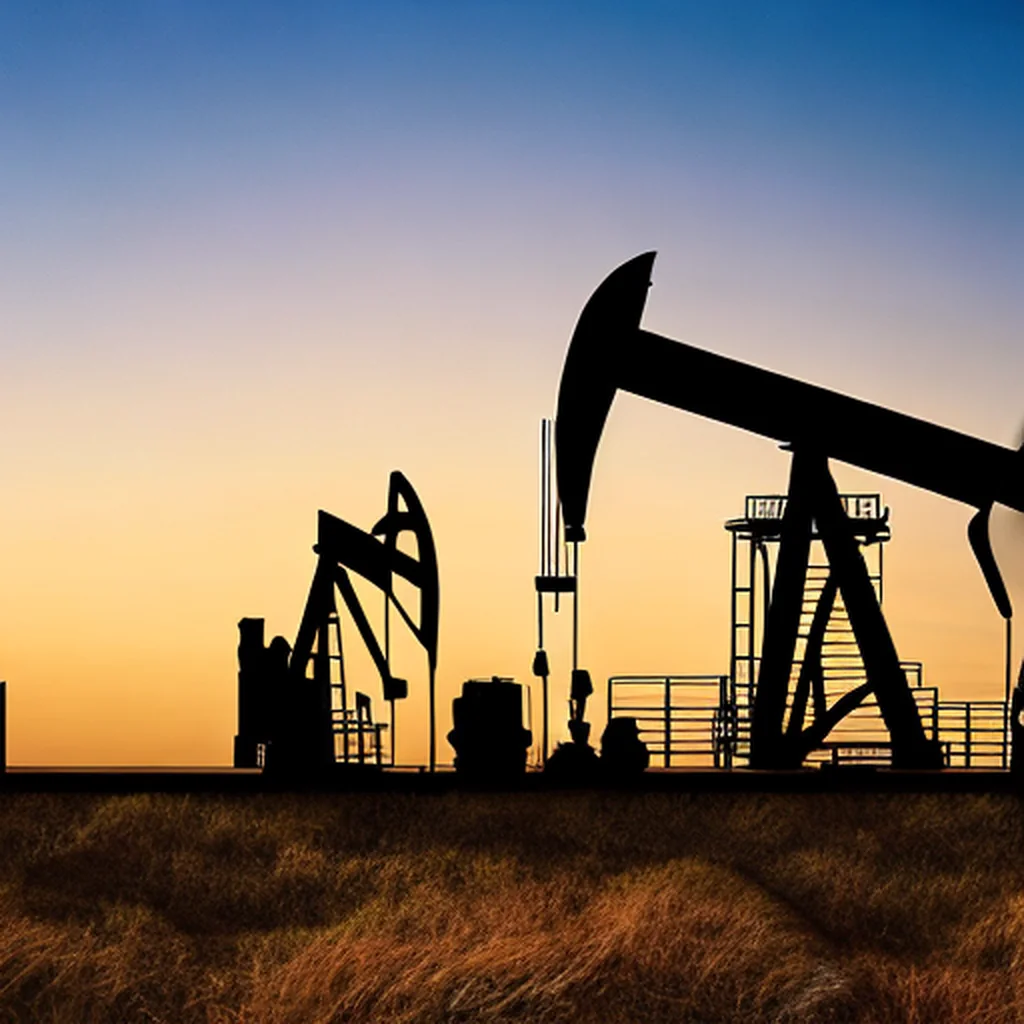
OPEC+, the Organization of the Petroleum Exporting Countries plus, is a cartel of oil-producing nations that controls a significant portion of the global oil market. It was formed in 1960 to stabilize oil prices and ensure a steady supply. However, in recent years, the group has shifted its focus from price stabilization to market manipulation. OPEC+’s strategy involves a coordinated effort to reduce oil production, which in turn, drives up prices.
Big Oil is facing a significant challenge in the current climate crisis era. The industry’s reliance on fossil fuels is increasingly being scrutinized, and investors are demanding more transparency and accountability. This has led to a surge in buybacks, a strategy that allows companies to repurchase their own shares, which can artificially inflate stock prices.
They’re also the largest producers of oil and gas, giving them a competitive advantage. Exxon and Chevron are well-positioned to weather the storm, but they are not immune to the challenges. The cyclical nature of the industry means that even the most robust companies can face downturns.
They are confident in their ability to navigate the volatile market and continue their buyback programs. However, this confidence is misplaced. The current market conditions are highly volatile and unpredictable, making it difficult to accurately assess the future. The summary provided highlights the following key points:
1. **Debt-fueled buybacks are risky:** Companies that can afford buybacks should exercise caution, as they can weaken their balance sheets. 2. **OPEC+’s future plans are uncertain:** The cartel’s actions in 2025 are unclear, and a potential price war could disrupt the market. 3.
The company’s dividend policy is based on a sustainable and consistent payout ratio. This means that the company aims to pay out a fixed percentage of its earnings, which is typically around 50%. This policy has been in place for several years and has helped the company to maintain a strong dividend track record. The company’s dividend policy is also designed to be flexible. This means that the company can adjust its dividend payout ratio based on its financial performance and other factors. This flexibility allows the company to respond to changing market conditions and maintain a consistent dividend stream. The company’s dividend policy is based on a long-term perspective.