
Fitness And Sweating: Professional Insights and Tips
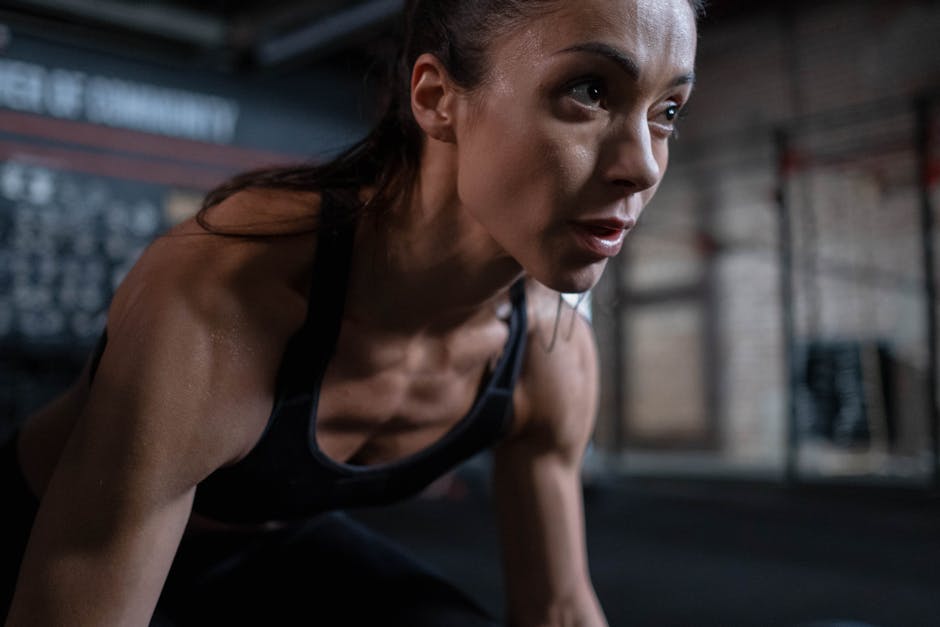
The Science Behind Sweating and How It Enhances Your Fitness Journey
Sweating is an essential physiological response that plays a critical role in maintaining body temperature during physical exertion. For individuals who are always sweating, understanding how this natural process interacts with fitness goals can be both empowering and enlightening.
Whether you’re hitting the gym daily, going for a run, or practicing yoga, your body’s ability to sweat efficiently impacts not just comfort but also performance. This article delves deep into the science behind sweating, its relationship with exercise, and practical strategies to optimize your workouts while embracing your natural tendency to perspire.
The Biology of Sweat Glands
Your skin houses millions of sweat glands, which come in two primary types: eccrine and apocrine. Eccrine glands, found across most of your body, produce a clear, watery fluid primarily responsible for regulating core body temperature through evaporation.
Apo crine glands, located mainly in areas such as the armpits and groin, secrete a thicker substance that contributes to odor when mixed with bacteria on the skin. Understanding these differences helps explain why certain parts of your body may feel wetter than others during intense activity.
- Eccrine glands: These small, coiled structures open onto the surface of the skin and are active from birth. They become especially active during high-intensity exercises, helping dissipate heat quickly by producing large volumes of sweat.
- Apo crine glands: While they do contribute to cooling, their secretion contains proteins and lipids that can lead to body odor when broken down by bacteria present naturally on human skin surfaces.
How Exercise Triggers Sweating
When you engage in any form of physical activity, your muscles generate heat as part of normal metabolic processes. In response to rising internal temperatures, your brain signals your sweat glands to release moisture onto the skin’s surface.
This evaporative cooling mechanism works optimally under dry conditions where sweat can easily turn into vapor without being trapped beneath layers of clothing or humidity-laden air. However, environmental factors significantly influence how effectively your body manages thermal regulation through perspiration.
If exercising indoors at moderate temperatures versus outdoors in direct sunlight, there will likely be variations in how much you actually end up sweating despite performing identical routines. Environmental conditions play crucial roles in determining overall hydration needs too.
The Relationship Between Intensity & Sweat Production
Different levels of workout intensity correlate directly with increased production rates among various types of sweat glands involved in thermoregulation. High-intensity interval training (HIIT) typically results in greater immediate perspiration compared to steady-state cardio sessions over longer durations.
While higher intensities prompt quicker responses from eccrine glands due to rapid rises in core body temps, prolonged low-to-moderate efforts might rely more heavily upon slow-onset mechanisms involving apocrine secretions alongside continual activation cycles within eccrine units.
Muscle mass composition also affects total volume expelled since larger muscle groups require more energy expenditure thus generating additional heat requiring efficient removal methods including enhanced sweating capacity.
Hydration Strategies for Active Individuals Who Always Sweat
Staying properly hydrated before, during, and after workouts is vital regardless of whether you tend toward excessive perspiration or not. Dehydration occurs rapidly even mild cases can impair cognitive functions affecting coordination balance making safe participation difficult particularly among those already prone towards heavy sweating episodes.
To maintain optimal functioning throughout extended periods of physical engagement consider implementing pre-exercise drinking protocols spaced out evenly leading right up until starting time itself rather than consuming vast quantities suddenly prior commencing activities.
Prioritize electrolyte replenishment post-workout sessions especially focusing upon sodium potassium magnesium losses incurred through significant fluid loss experienced regularly by hyperhidrotic individuals seeking improved recovery times following strenuous challenges faced frequently encountered within fitness environments.
Clothing Choices That Support Thermoregulation During Workouts
Selecting appropriate attire enhances effectiveness of bodily systems designed specifically manage excess warmth generated while engaged actively moving bodies around spaces filled with potential obstacles meant testing strength endurance flexibility agility etcetera.
Optimal fabric materials promote breathability facilitating quick absorption dispersion away from epidermal layer allowing free movement without restricting circulation necessary supporting muscular development sought after consistently amongst followers communities centered around health enhancement initiatives pursued globally nowadays.
Lightweight garments featuring moisture-wicking properties help prevent uncomfortable sensations caused by dampness clinging tightly against sensitive regions susceptible irritation inflammation resulting painful experiences detracting enjoyment derived participating regular exercise regimens aimed improving overall wellness status quo currently prevalent modern society settings today.
Nutritional Factors Influencing Sweat Rates And Composition
Dietary choices impact both quantity quality outputs related personal sweating patterns observed whenever undertaking rigorous athletic endeavors pushing limits beyond previous thresholds established through consistent effort applied consistently over long-term horizons.
Certain nutrients known enhance vascular dilation promoting better blood flow thereby increasing chances occurrence profuse sweating events occurring sooner reaching peak exertional phases during workout sessions intended maximizing benefits accrued pursuing physical transformations desired ultimately achieving ideal physique outcomes envisioned initially embarking journey focused enhancing self-image confidence levels associated positive lifestyle changes implemented gradually overtime.
Incorporating foods rich in minerals such calcium iron zinc supports healthy function sweat glands ensuring adequate supply required sustaining effective operation throughout duration entire workout period without experiencing undue fatigue exhaustion detrimental progress made working towards set objectives outlined clearly from beginning stages involvement programs dedicated fostering stronger healthier versions themselves personally.
Techniques To Improve Sweat Efficiency Without Overexertion
Improving sweat efficiency means optimizing your body’s natural cooling system so you can perform at higher intensities for longer durations without overheating. One technique involves acclimating yourself gradually to hotter environments through controlled exposure practices.
Gradual adaptation allows your sweat glands to increase their output capabilities progressively reducing risk dehydration heat stroke incidents commonly reported among athletes unfamiliar sudden shifts climatic conditions affecting performances negatively impacting morale motivation levels crucial maintaining consistency needed seeing measurable improvements physical attributes targeted undergoing transformational processes.
Additionally incorporating contrast showers alternating between hot cold water stimulates circulation enhances sensitivity nerve endings contributing positively overall responsiveness systems involved managing thermal equilibrium states achieved successfully executing demanding tasks requiring precise timing coordination skills developed systematically structured training plans executed diligently monitored periodically assessed adjusted accordingly future development phases embarked upon thereafter.
Common Misconceptions About Sweating And Its Role In Fitness
Many people mistakenly believe that the amount someone sweats during a workout is an accurate indicator of how hard they’re working or how many calories they’ve burned. This misconception leads some individuals to think that if they don’t sweat much, their workout wasn’t productive enough.
In reality, sweat rate varies greatly depending on numerous external/internal variables including ambient temperature humidity individual genetics baseline hydration levels etcetera. Therefore relying solely upon perception regarding personal perspiration amounts misleading potentially harmful decisions concerning workout difficulty intensity levels suitable respective conditions prevailing moment.
It’s important understand true measure success relates actual physiological adaptations occurring internally rather than superficial signs expressed externally via visible indicators noticeable others surrounding vicinity conducting particular activities simultaneously.
Monitoring Your Sweat Patterns As Part Of A Holistic Wellness Approach
Taking note of your own unique sweat behaviors provides invaluable insight regarding current state wellbeing enabling informed adjustments future planning addressing potential issues preemptively instead waiting reactive measures becoming necessary later stages progression.
By tracking changes patterns observe correlation emerging trends possibly indicative underlying health concerns warranting professional consultation promptly resolving problems preventing escalation situations otherwise manageable earlier intervention timely support provided appropriately directed resources allocated correctly ensuring continued advancement goals aligned personal aspirations sustained indefinitely forward momentum maintained continuously ongoing basis.
Consider keeping journal documenting instances noting specifics dates times locations activities undertaken alongside descriptions conditions experienced facilitating analysis identifying triggers contributing fluctuations observed consistently monitoring developments closely attuned awareness evolving dynamics influencing overall experience navigating world actively pursuing healthier lifestyles prioritizing longevity vitality above transient achievements momentarily satisfying temporary gratifications fleeting nature ephemeral pleasures offering little lasting value comparative enduring satisfaction derived cultivating strong foundation sustainable habits reinforcing resilience facing inevitable challenges life presents inevitably.
Conclusion
Understanding the intricate relationship between fitness and sweating empowers you to make informed decisions that enhance your workout routine and overall well-being. By recognizing how your body regulates temperature through perspiration, you can tailor your approach to maximize efficiency and minimize discomfort.
Remember, staying hydrated, choosing the right clothing, and paying attention to your sweat patterns are all key components of a successful fitness strategy. Embrace your natural inclination to sweat as a sign that your body is working hard and doing what it was designed to do—keeping you cool and energized during every session.