
The Hidden Struggle: Understanding Underarm Sweating and Its Impact on Daily Life
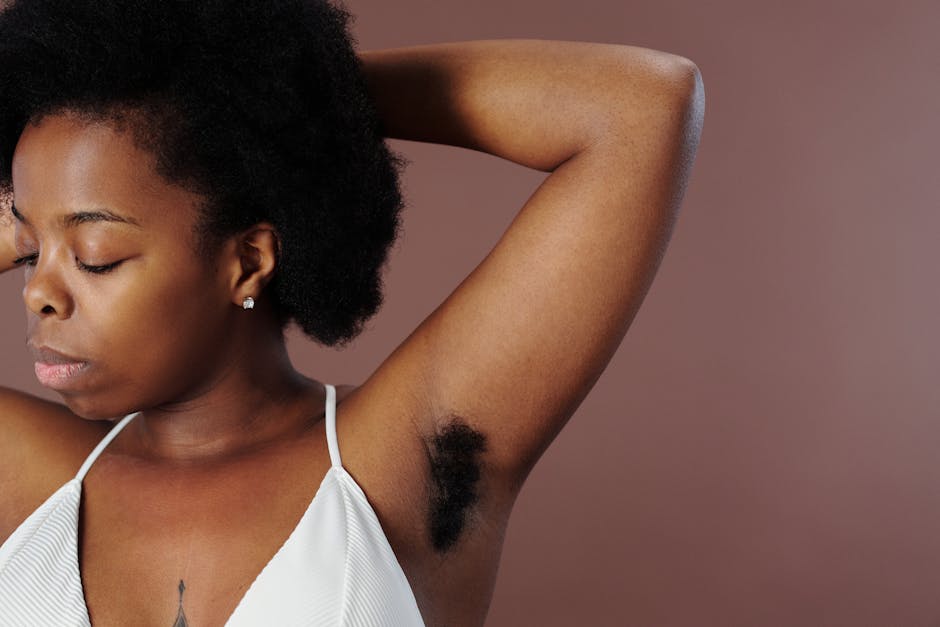
The Hidden Struggle: Understanding Underarm Sweating and Its Impact on Daily Life
Underarm sweating is a common yet often misunderstood condition that affects millions of people worldwide. While sweat is a natural bodily function designed to regulate temperature, excessive underarm perspiration can lead to embarrassment, discomfort, and even social anxiety.
This article explores the causes, effects, and management strategies for underarm sweating, providing valuable insights for those who experience this issue regularly. Whether you’re seeking relief from daily discomfort or looking to understand your body better, this guide offers practical solutions tailored to your needs.
What Causes Excessive Underarm Sweating?
Excessive underarm sweating, also known as axillary hyperhidrosis, occurs when the eccrine glands become overactive. These glands are responsible for producing sweat, which helps cool down the body during physical activity or high temperatures.
However, factors such as genetics, hormonal changes, certain medications, and medical conditions can contribute to increased sweating beyond what’s considered normal. For example, some individuals may inherit a predisposition to heavy sweating from their family members.
- Genetics: A significant portion of cases are hereditary, meaning they run in families.
- Hormonal fluctuations: Changes related to puberty, pregnancy, menopause, or thyroid disorders can trigger excess sweating.
- Mental health: Stress, anxiety, and other psychological factors can activate the sympathetic nervous system, leading to increased perspiration.
- Certain foods and drinks: Spicy foods, caffeine, alcohol, and hot beverages are known stimulants that might exacerbate sweating episodes.
It’s essential to recognize these potential triggers so that targeted interventions can be implemented effectively. Identifying personal risk factors early allows for proactive steps towards managing symptoms before they escalate.
How Does Underarm Sweating Affect Your Quality of Life?
The impact of underarm sweating extends far beyond mere inconvenience; it significantly influences an individual’s self-esteem and overall well-being. Constant worry about visible dampness beneath clothing can cause emotional distress and hinder social interactions.
Many sufferers report feeling anxious about attending events where close contact with others is unavoidable—such as job interviews, dates, or public speaking engagements. This anxiety can create a vicious cycle by further stimulating sweat production through stress responses.
A study published in the journal *Dermatologic Surgery* found that approximately two-thirds of patients experiencing severe underarm sweating reported diminished quality of life due to their condition. The fear of being judged based solely on appearance adds another layer of complexity to dealing with this issue.
In addition to psychological impacts, there are also practical challenges associated with chronic underarm sweating. Frequent need for changing clothes midday, using multiple antiperspirant products simultaneously, or avoiding activities altogether because of anticipated embarrassment all represent real-life consequences faced by many individuals every day.
Symptoms You Should Not Ignore
Recognizing the signs of problematic underarm sweating is crucial for timely intervention. Common indicators include frequent wetting of shirts despite minimal exertion, visible yellow stains on fabric after wearing garments overnight, and difficulty keeping deodorant effective throughout the day.
If any of these symptoms persist without apparent reason, consulting a healthcare professional becomes imperative. Early diagnosis enables access to various treatment options ranging from topical applications to advanced procedures specifically aimed at reducing sweat output.
Moreover, noticing patterns in when excessive sweating occurs could provide clues regarding underlying causes. Tracking instances alongside dietary intake, environmental exposure levels, and mental state variations might help identify contributing elements worth addressing individually.
Some people notice worsening symptoms following periods of intense pressure at work or school, suggesting possible links between emotional states and physiological reactions. Keeping track of such occurrences assists both patient and physician alike in formulating personalized care plans.
Treatment Options Available Today
Treating underarm sweating involves exploring several avenues depending upon severity level and personal preferences. From over-the-counter remedies available at pharmacies right up through specialized surgical interventions offered by dermatologists, numerous choices exist today.
Common initial approaches typically involve applying strong aluminum chloride hexahydrate-based antiperspirants either once weekly or twice weekly, whichever proves most beneficial. These formulations work by temporarily blocking pores thus minimizing moisture escape routes within skin layers.
Botox injections have emerged as popular non-surgical alternatives capable of delivering long-lasting results. By targeting nerve endings connected to sweat glands via localized injection sites, botulinum toxin type A effectively reduces secretion rates for months post-treatment.
For persistent problems unresponsive to conventional methods, iontophoresis devices offer electrotherapy-based solutions wherein controlled electrical currents pass through water mediums while hands/arms remain submerged thereby inhibiting glandular activation mechanisms naturally occurring inside human bodies.
Lifestyle modifications play equally vital roles too – adopting cooler climates whenever feasible, opting out completely from consuming caffeinated beverages entirely along with implementing mindfulness techniques aimed at lowering general stress levels among affected persons.
Dietary Adjustments That Help Reduce Perspiration Levels
Modifying one’s diet plays a critical role in managing underarm sweating issues effectively. Certain food groups act as catalysts promoting greater than average amounts of fluid loss through perspiration channels located primarily around armpits regionally.
Evidence suggests that spicy meals containing capsaicin compounds increase core body heat temporarily causing automatic responses involving sweat release regardless whether actual physical labor has taken place recently prior consumption thereof.
Similarly processed carbohydrates especially refined sugars tend stimulate insulin spikes resulting in temporary but noticeable increases across total sweat volume produced globally including areas outside typical concern zones like palms feet etcetera.
On contrary hand incorporating plenty fresh fruits vegetables whole grains lean proteins dairy sources rich calcium magnesium minerals proved helpful maintaining balanced electrolyte concentrations necessary preventing unnecessary perspiration triggered imbalances internally.
Additionally staying hydrated sufficiently supports optimal functioning throughout entire endocrine system ensuring no undue strain placed upon thermoregulatory processes utilized extensively during times requiring heightened metabolic outputs.
When Is It Time To See A Doctor About Severe Cases Of Axillary Hyperhidrosis?
Seeking expert consultation becomes absolutely necessary once everyday routines begin getting disrupted heavily due extreme nature exhibited by abnormal sweating behaviors manifesting consistently across different contexts.
Significant interference with occupational performance particularly jobs demanding regular interpersonal communication becomes clear red flag indicating urgency towards obtaining appropriate evaluations promptly rather waiting longer periods potentially allowing complications worsen unnecessarily.
Persistent presence marked odor development accompanying visible damp patches underneath outerwear represents additional warning signals pointing towards bacterial growth accelerated due prolonged moisture retention conditions existing continuously underneath fabric coverings applied routinely.
Individuals experiencing painful sensations radiating outward from original location sometimes indicative secondary infections developing beneath epidermal surfaces require immediate attention since delayed action could result serious complications affecting broader regions physically adjacent initially involved area.
Lastly anyone concerned about unusual patterns emerging suddenly without identifiable precipitating circumstances deserves thorough examination conducted exclusively qualified professionals equipped tools required diagnosing accurately determining suitable course actions accordingly.
Psychological Effects And Coping Strategies For Chronic Sweat Issues
Facing constant battle against uncontrollable underarm perspiration inevitably takes toll mentally creating feelings isolation loneliness depression amongst afflicted populations regardless age demographic represented therein.
Research indicates higher incidence rate mood disturbances observed within cohorts suffering chronic hyperhidrotic syndromes compared general populace lacking similar afflictions highlighting direct correlation exists between psychological wellbeing status maintained versus degree intensity experienced symptomatology displayed publicly.
Implementing cognitive behavioral therapy sessions focused restructuring negative thought cycles surrounding perceived inadequacies linked appearance concerns significantly improved participants’ confidence levels measured pre-and-post-intervention phases according studies published reputable journals specializing psychosomatic medicine fields respectively.
Engaging supportive communities online comprising fellow sufferers sharing experiences resources proves invaluable source encouragement motivation needed enduring ongoing struggles associated living visibly sweaty lifestyles continually challenged externally internally alike.
Developing coping mechanisms tailored uniquely each person includes practicing relaxation exercises breathing techniques meditation practices aiming reduce baseline anxiety levels inherently correlated elevated perspiration quantities recorded frequently across varied settings encountered daily lives impacted profoundly.
Advancements In Medical Treatments For Underarm Sweating
Recent years witnessed remarkable progress technological innovations revolutionizing approach treating underarm sweating afflicting countless individuals globally. Newer methodologies now available promise enhanced efficacy safety profiles previously unimaginable decades earlier.
One notable advancement comes utilization microwave energy technology directed precisely toward eliminating problematic sweat glands located beneath arms selectively preserving healthy tissue structures intact. This minimally invasive procedure boasts impressive success rates reported clinical trials demonstrating substantial reduction excessive perspiration episodes lasting extended durations post-treatment completion.
Furthermore development topical agents featuring novel compound combinations formulated specifically neutralize enzymatic reactions responsible converting sweat components odorous substances commonly attributed unpleasant smells arising from microbial breakdown processes occurring naturally skin surface interfaces exposed ambient environments regularly.
Emerging research focuses identifying genetic markers possibly predictive susceptibility developing hyperhidrosis conditions enabling preventative measures initiated much earlier stages disease progression timelines effectively mitigated considerably beforehand reaching symptomatic manifestation thresholds otherwise inevitable later phases untreated scenarios.
Ongoing investigations explore possibility utilizing nanotechnology deliver targeted therapies directly affected regions circumventing systemic side effects usually accompanied traditional pharmacological interventions currently dominating market landscape offerings today.
Living With Underarm Sweating: Practical Tips And Lifestyle Modifications
Adapting lifestyle adjustments proves instrumental managing underarm sweating efficiently without resorting drastic medical interferences. Small yet impactful alterations routine habits significantly alleviate symptoms burden experienced daily.
Selecting breathable fabrics composed cotton linen bamboo materials facilitates air circulation prevents accumulation moisture trapped against sensitive dermal tissues prone irritation fungal proliferation exacerbated continual dampness conditions sustained improperly ventilated apparel selections.
Employment strategic wardrobe planning entails choosing layered outfits accommodating easy removal replacement garments mid-day occasions necessitate rapid transitions between formal informal attire configurations seamlessly executed discreetly minimizing visibility sweat-related incidents transpiring unexpectedly.
Utilizing absorbent pads inserted within inner garment linings serves dual purpose absorbing surplus perspiration while simultaneously concealing evidence existence until convenient time intervals permitting complete cleansing rituals performed thoroughly afterwards ensuring hygiene standards upheld appropriately maintained consistently throughout duration wear periods engaged actively.
Finally cultivating habit exercising moderate intensity workouts consistently aids regulating autonomic nervous system functions influencing perspiration regulation mechanisms inherently tied physiological responses generated physical exertion demands placed upon organism regularly encountered modern sedentary lifestyles prevalent contemporary society structures.
Conclusion
Understanding underarm sweating requires recognizing its multifaceted nature encompassing biological psychological dimensions affecting diverse aspects individual lives adversely. Effective management hinges accurate identification root causes coupled implementation comprehensive treatment strategies customized personal requirements.
By embracing combination therapeutic modalities alongside lifestyle enhancements, those grappling with this challenge can reclaim control over their daily experiences, fostering confidence and comfort in all situations they encounter. Remember, support networks and advancements in medical science continue offering hope and viable solutions for everyone facing this common yet complex condition.