Understanding Night Sweats: Causes, Impact, and Strategies for Relief
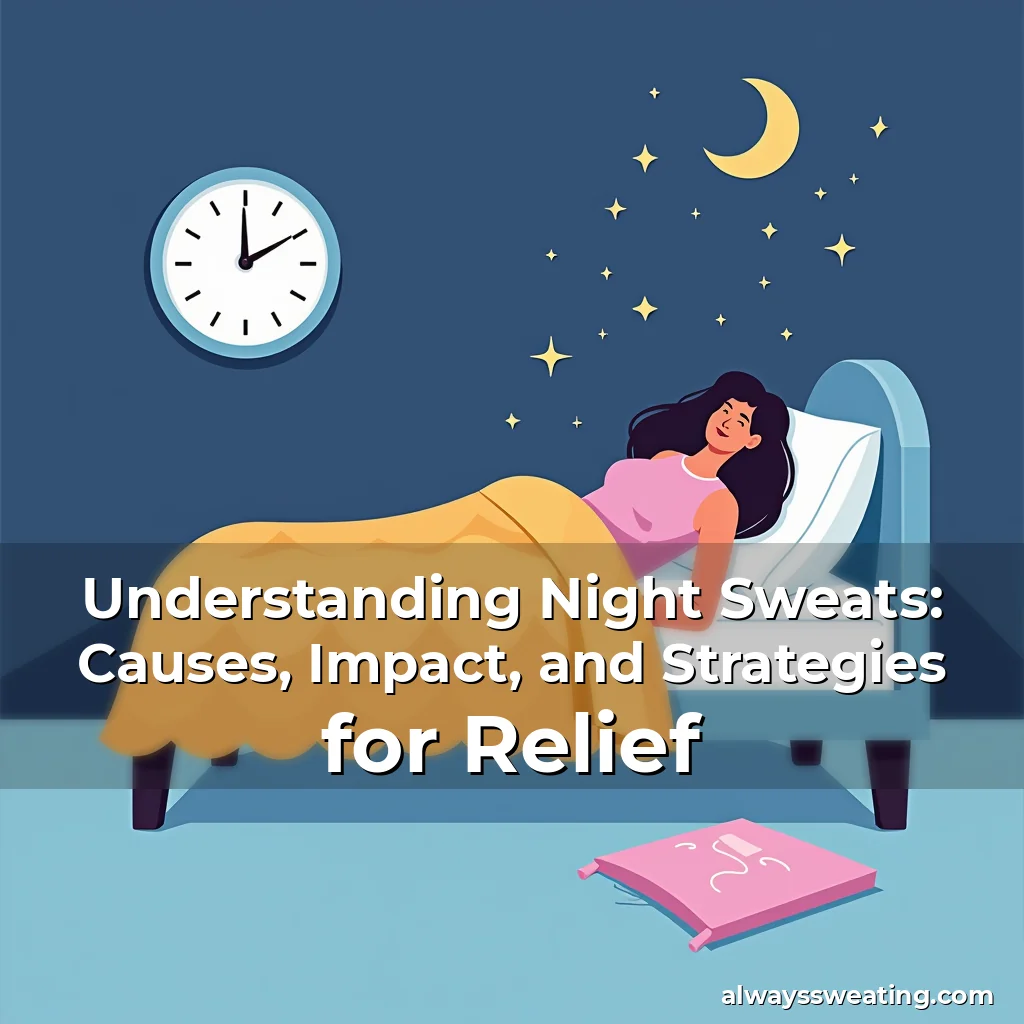
Understanding Night Sweats: Causes, Impact, and Strategies for Relief
Night sweats, often described as episodes of heavy sweating during sleep, can disrupt rest and leave individuals feeling exhausted upon waking. While occasional night sweats may be harmless, frequent occurrences can signal an underlying health issue that requires attention. This guide explores the complexities of night sweats, offering insight into their causes, effects, and potential solutions.
The experience of night sweats varies widely among individuals, ranging from mild discomfort to severe drenching that necessitates changing bedding multiple times. Understanding the nuances of this phenomenon is critical for anyone experiencing it regularly, whether due to medical conditions, environmental factors, or lifestyle choices.
Common Causes of Night Sweats
Nocturnal hyperhidrosis, commonly referred to as night sweats, arises from various sources, many of which are linked to the body’s internal processes. One primary contributor is infection; bacterial or viral infections such as tuberculosis, HIV/AIDS, or even yeast infections can trigger feverish responses that lead to increased perspiration during sleep. These infections often manifest with additional symptoms like fatigue, chills, and unexplained weight loss.
Hormonal fluctuations represent another significant factor in causing night sweats. Conditions such as menopause, characterized by declining estrogen levels, frequently result in hot flashes and subsequent nighttime sweating. Similarly, hypoglycemia—an abnormally low blood sugar level—can provoke sudden sweating episodes, particularly in individuals with diabetes undergoing insulin therapy.
- Infections: Infectious agents stimulate immune system activity, raising body temperatures and prompting sweat production as part of the body’s defense mechanism against pathogens.
- Hormonal Changes: Fluctuations in hormones regulate metabolic functions and temperature control, making imbalances likely culprits behind unexpected nocturnal perspiration events.
Medical Conditions Associated With Night Sweats
Certain chronic illnesses have been consistently linked with recurrent instances of night sweats. Cancer remains one prominent example; lymphomas and leukemia patients commonly report profuse sweating occurring without typical fevers. This symptomatology typically accompanies other clinical manifestations related to tumor growth and systemic inflammation.
Automatic immunological disorders contribute significantly too. Autoimmune diseases involve dysregulated immune responses targeting healthy tissues erroneously. Consequently, inflammatory mediators released during flare-ups induce generalized warmth sensations leading to excessive sweating patterns predominantly observed at night.
Thyroid Dysfunction and Its Role in Excessive Nocturnal Perspiration
Hypothyroidism and hyperthyroidism both influence sweat gland function through altered metabolism rates affecting thermal regulation mechanisms. Hyperthyroid states accelerate basal metabolic rates thereby increasing overall heat generation and requiring enhanced evaporative cooling via sweating. Conversely, hypoactive thyroid conditions impair normal thermogenesis resulting in compensatory overactivity of eccrine glands producing more moisture than usual.
Diagnosing thyroid-related night sweats involves assessing TSH levels alongside free T3/T4 concentrations along with physical examination findings regarding goiter presence or palpable nodules indicating possible neoplastic transformation.
When Should You See A Doctor?
If you begin experiencing regular night sweats lasting several weeks or accompanied by alarming signs, consulting healthcare professionals becomes imperative. Persistent symptoms resistant to basic interventions warrant investigation since they might indicate serious pathology requiring prompt diagnosis and appropriate therapeutic measures.
Red flag indicators include unintended weight loss exceeding ten pounds over months, persistent fatigue not alleviated by adequate rest, new onset cough persisting past three weeks, swollen lymph nodes anywhere on your body, or difficulty breathing especially when lying flat. Any combination suggesting infectious disease progression demands urgent evaluation.
Lifestyle Modifications To Reduce Occurrence Of Nocturnal Hyperhidrosis
Adopting healthier habits plays pivotal role in mitigating frequency intensity duration of night time perspiration experiences. Maintaining balanced nutrition rich in fruits vegetables lean proteins whole grains aids stable glucose supply preventing abrupt drops triggering adrenaline release responsible for acute sweating attacks.
Evaluating mattress materials proves beneficial. Memory foam constructions trap moisture whereas breathable cotton blends facilitate air circulation reducing chances of skin surface dampness accumulation conducive to microbial proliferation exacerbating sweatiness feelings post-sleep cycle completion.
Sleep Hygiene Practices For Better Regulation Of Body Temperature During Rest Periods
Establish consistent bedtime routines helping synchronize circadian rhythms promoting deeper REM phases less susceptible to autonomic nervous system disruptions initiating unwanted sweating episodes mid-night. Avoid caffeine intake after lunchtime hours as stimulant properties interfere with melatonin secretion disrupting sleep architecture.
Optimize bedroom environment settings maintaining ambient room temperature between 68-72°F (20-22°C) prevents overheating stimulating hypothalamic activation pathways controlling sweat secretion centers located primarily within sympathetic chain ganglia distributed throughout thoracolumbar regions.
Natural Remedies And Homeopathic Approaches For Managing Night Time Moisture Issues
Herbal infusions containing valerian root passionflower skullcap demonstrate calming effects soothing anxious thoughts potentially contributing to elevated heart rate inducing unnecessary perspiration. Applying cold compresses externally before retiring facilitates vasodilation lowering peripheral resistance aiding efficient redistribution of bodily fluids away from epidermal surfaces minimizing visible wetness upon awakening.
Dietary alterations focusing on elimination foods known irritants such as spicy cuisine alcohol processed meats dairy products help reduce gastrointestinal distress possibly correlating with abnormal vagus nerve stimulation impacting sudomotor pathways regulating eccrine secretion activities.
Mental Health Considerations In Relation To Recurrent Nocturnal Perspiration Episodes
Anxiety disorders notably generalized anxiety disorder panic attacks social phobias correlate strongly with heightened sympathetic tone elevating resting heart rates increasing likelihood of spontaneous sweating regardless temporal context. Cognitive behavioral therapy sessions addressing irrational fears improving coping strategies effectively diminish psychological burden indirectly decreasing physiological reactivity.
Depression comorbidities involving antidepressant pharmacotherapies sometimes precipitate parasympathetic dominance paradoxically enhancing glandular secretions contrary initial expectations. Monitoring mood fluctuation trends concurrent with sweat pattern variations assists clinicians identify psychosomatic components worthy further exploration.
Pharmaceutical Interventions Available For Treating Chronic Cases Of Nocturnal Sweat Production
Selective serotonin reuptake inhibitors prescribed for psychiatric ailments occasionally worsen diaphoresis symptoms necessitating dosage adjustment or substitution alternatives exhibiting lesser side effect profiles. Antihistamines possessing anticholinergic properties prove effective in curbing excessive sweating though long term use cautioned due risk of cognitive impairment particularly elderly populations.
Botox injections administered intradermally target muscarinic receptors situated near sweat glands temporarily inhibiting acetylcholine mediated exocrine secretion pathways achieving sustained dryness periods lasting approximately six months providing respite until definitive resolution achieved through targeted etiological treatment approaches.
Technological Innovations Designed Specifically For Individuals Struggling With Excessive Night Time Moisture Problems
Wearable devices equipped sensors measuring core body temps transmitting alerts smartphones enabling timely intervention prior escalation situations. Smart fabrics infused silver nanoparticles exhibit antimicrobial characteristics combined moisture wicking capabilities ensuring continuous dryness prolonging comfort intervals post-wakeup.
Smartphone applications tracking sleep cycles identifying correlation patterns between particular stages deep sleep light sleep wakefulness assisting pinpoint exact moments initiating sweat surges allowing customized countermeasures application accordingly maximizing effectiveness outcomes.
Conclusion
Comprehending multifactorial nature underlying night sweats empowers affected individuals proactively manage circumstances through informed decision making rather passively enduring discomfort silently. Whether stemming biological origins psychological stressors external stimuli recognizing diverse avenues available facilitates personalized strategy formulation catering individualized requirements preferences.
Ultimately successful mitigation relies integration holistic approach combining medical consultations lifestyle optimizations technological supports emotional wellbeing maintenance. By prioritizing proactive engagement instead reactive suppression, sufferers cultivate resilience against challenges posed by persistent nocturnal moisture phenomena transforming burdensome experiences empowering journeys toward improved quality living standards.

news is a contributor at AlwaysSweating. We are committed to providing well-researched, accurate, and valuable content to our readers.